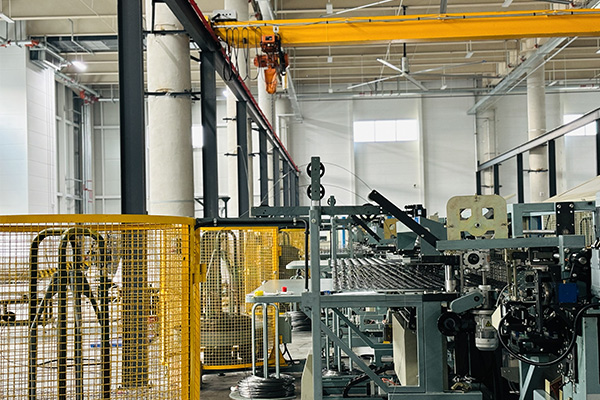
As a cornerstone of bedding production, mattress stitching machines have evolved from manual tools to intelligent workhorses, addressing the industry’s demand for durability, consistency, and design versatility. These specialized machines seamlessly bond layers of foam, fabric, springs, and padding, defining both the structural integrity and aesthetic appeal of mattresses while eliminating inefficiencies of traditional stitching methods.
At the core of their functionality lies advanced engineering: heavy-duty construction handles thick, dense materials, while specialized components like triangular-shaft upholstery needles and high-tensile polyester threads ensure penetration without material damage. Computer-controlled systems enable precise pattern execution—from simple geometrics to intricate quilting—with stitch consistency that manual labor cannot match, while adjustable pressure and tension controls guarantee uniform seam tightness across varying mattress thicknesses (50-400mm).
Modern models offer diverse capabilities tailored to production needs: chainstitch and lockstitch variants for different durability requirements, double-needle configurations for reinforced seams, and walking foot mechanisms that prevent fabric slippage during high-volume runs. High-end units integrate auto-lifting tables, variable-speed carriages (5.5-16m/min), and real-time quality inspection, slashing production time to 16 mattresses per hour while minimizing errors.
Beyond efficiency, these machines drive product innovation—enabling custom comfort zones through variable stitching density, integrating hypoallergenic materials, and supporting decorative cording or zippered panels for premium mattresses. Compliant with industrial scalability, they require no specialized equipment modifications and adapt to small-batch bespoke production or large-scale manufacturing, from residential mattresses to healthcare and hospitality bedding.
By merging precision engineering with user-centric design, mattress stitching machines redefine bedding quality standards. They not only enhance durability and aesthetics but also empower manufacturers to meet evolving consumer demands for comfort, sustainability, and customization—solidifying their role as indispensable tools in the global mattress industry’s shift toward intelligent production.