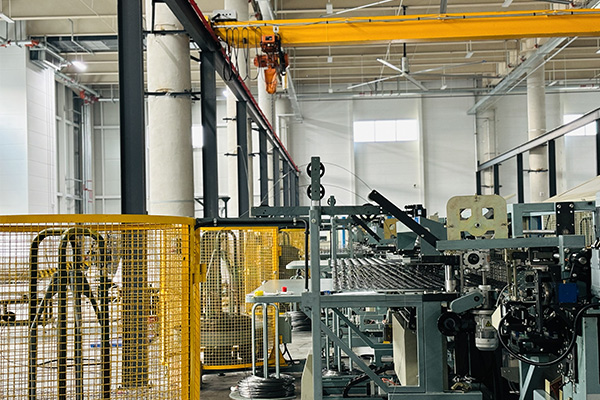
Bed manufacturing machines have become the backbone of modern furniture production, revolutionizing how beds are designed, crafted, and delivered to consumers. These specialized pieces of equipment combine precision engineering, automation, and versatility to meet the growing demand for quality, efficiency, and customization in the bedding industry.
At the core of bed manufacturing machines is their ability to handle diverse materials, from wood and metal to foam and fabric. Automated cutting machines ensure precise shaping of bed frames, slats, and upholstery components, reducing material waste and ensuring consistent dimensions across every product. Assembly lines integrated with robotic arms streamline processes like joining frame parts, attaching hardware, and applying finishes, cutting production time by up to 60% compared to traditional manual methods.
One key advantage of these machines is their adaptability to different bed types and designs. Whether producing platform beds, bunk beds, or adjustable beds with complex mechanisms, modern manufacturing equipment can be programmed to switch between configurations quickly. This flexibility allows manufacturers to respond to market trends, such as the rising popularity of eco-friendly materials or space-saving designs, without major overhauls to production lines.
Quality control is another area where bed manufacturing machines excel. Built-in sensors detect flaws in materials or assembly, ensuring only products meeting strict standards reach customers. For example, pressure-testing machines verify the durability of bed frames, while stitching machines maintain uniform upholstery quality, enhancing the longevity and safety of the final product.
The impact of these machines extends beyond production efficiency. By automating repetitive tasks, they reduce labor intensity for workers, shifting focus to skilled roles like machine programming and quality inspection. Additionally, the precision of automated processes minimizes environmental impact through reduced waste and energy consumption, aligning with global sustainability goals.
As technology advances, bed manufacturing machines continue to evolve. Integration of artificial intelligence and data analytics enables predictive maintenance, reducing downtime, while 3D printing capabilities open new possibilities for custom components. These innovations are not just transforming production lines but also empowering manufacturers to deliver personalized, high-quality beds that meet the evolving needs of today’s consumers.